Why We Need a "Global Biobank" to Revolutionize Mental Health Treatment
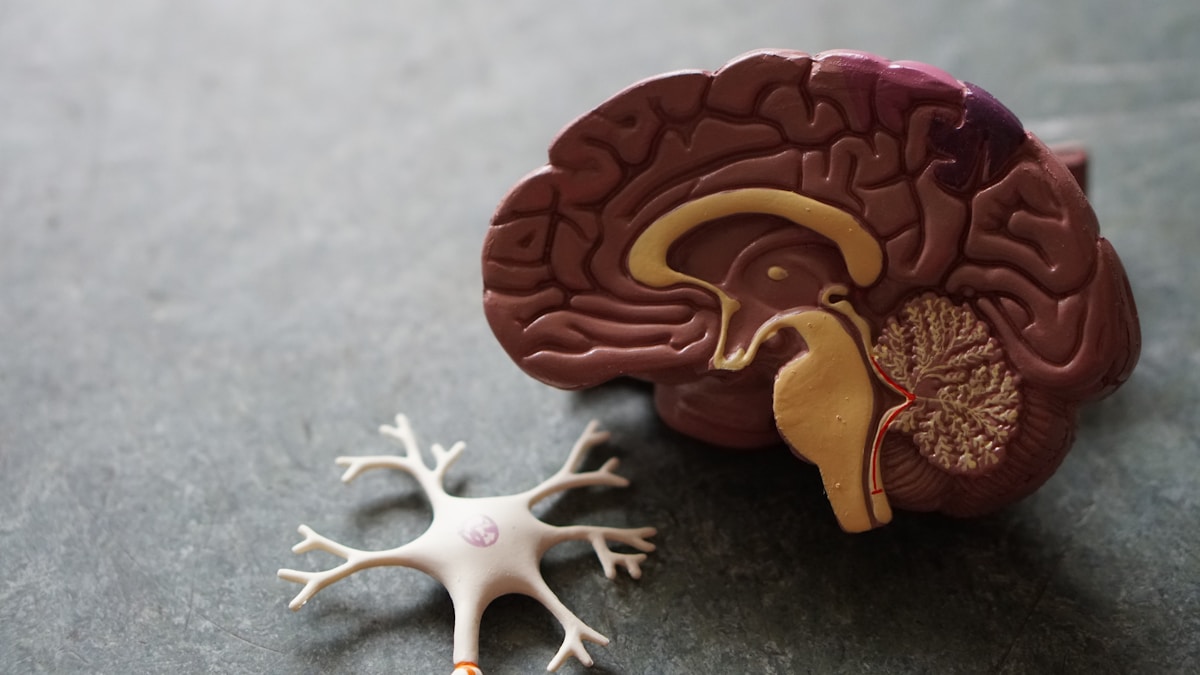
At a recent TEDxBerlin Salon, mathematician, neuroscientist and Brainify.AI co-founder Mariam Khayretdinova highlighted a glaring issue in modern medicine: we know almost nothing about the human brain. Comparing our current understanding of brain health to a 26-mile marathon, she noted that humanity has only taken the very first step.
Khayretdinova, who has personally battled treatment-resistant depression since she was six years old, pointed out that mental health diagnoses are still largely based on subjective 15-minute conversations and easily influenced questionnaires rather than measurable biological evidence.
The Data Gap Is Staggering
The contrast with other industries is stark. While a consumer goods company might analyze up to 55,000 data points over years just to predict the sales of a single can of Coca-Cola, neurological studies often rely on a mere 100 to 200 subjects before claiming to have found a pattern. This lack of objective data is crippling the pharmaceutical industry, which currently sees only a 6% success rate in bringing new mental health medications to market.
AI Needs Data to Deliver on Its Promise
While Artificial Intelligence (AI) holds immense promise for clustering data and finding the underlying biological patterns of conditions like depression or Alzheimer's, AI cannot function without massive amounts of diverse data. Khayretdinova identified three major roadblocks preventing breakthroughs in this field:
- Lack of Clinical Data Collection: Psychiatrists are not routinely collecting biological data like EEGs, MRIs, or blood tests during patient visits.
- Siloed and Inaccessible Data: Brain data is highly personalized and restricted by complex privacy policies. This prevents researchers from accessing the internationally, racially, and culturally diverse datasets necessary to build accurate diagnostics.
- Missing Healthy Baselines: We are completely failing to collect data on healthy brains. Because insurance rarely reimburses out-of-pocket elective brain scans, researchers have no healthy baseline to compare against when trying to identify diseases.
The Call for a Global Biobank
To solve this crisis, Khayretdinova is calling for a massive communal effort. She envisions the creation of a "global biobank" that can securely pool diverse biological data. This will require unprecedented collaboration between technology companies, the pharmaceutical industry, policymakers, and regulators like the FDA.
Only by working together to share data can we finally make mental disorders measurable and empower AI to develop precise, effective treatments.